

PRP and Orthobiologics in Frisco, TX
Orthobiologics are treatments that use substances from your own body, such as concentrated platelets, to support the healing of tendons, ligaments, muscle and cartilage. Dr. Andrew Dold, a double board-certified, fellowship-trained sports medicine surgeon who has treated professional athletes from the NFL, NBA, NHL and PGA Tour, has published peer-reviewed research on platelet-rich plasma (PRP) and injectable biologic treatments, and has lectured to physicians on PRP and cell-based therapies. His approach is evidence-based: he recommends orthobiologics where the research supports them and is candid about where it does not.
Dr. Dold’s published research on orthobiologics
- Dold AP, Zywiel MG, Taylor DW, Dwyer T, Theodoropoulos J. “Platelet-rich plasma in the management of articular cartilage pathology: a systematic review.” Clinical Journal of Sport Medicine. 2014;24(1):31–43.
- Weinberg M, Kaplan D, Pham H, Goodwin D, Dold A, Chiu E, Jazrawi L. “Injectable Biological Treatments for Osteoarthritis of the Knee.” JBJS Reviews. 2017;5(4):e2.
- Dold AP. “Acute Achilles Tendon Ruptures: An Update on Current Management Strategies.” Journal of the American Academy of Orthopaedic Surgeons. 2025;33(16):881–889. Includes a review of the evidence on PRP in Achilles rupture treatment.
What Is PRP?
Platelet-rich plasma (PRP) is prepared from a small sample of your own blood. The blood is spun in a centrifuge to concentrate the platelets, which contain growth factors involved in the body’s natural healing response. The concentrated PRP is then injected into the injured or painful area.
Conditions Where PRP May Be Considered
- Knee osteoarthritis and other arthritis-related joint pain
- Tendon conditions, including tennis elbow, patellar tendinopathy, rotator cuff tendinopathy, gluteal tendinopathy and Achilles tendinopathy
- Partial tendon, ligament and muscle injuries in athletes and active adults
- Cartilage injuries, alone or alongside other treatments
- As an adjunct to surgery in selected cases
Dr. Dold will also discuss other orthobiologic options, including cell-based therapies, when appropriate, along with what the current evidence does and does not show.
An Evidence-Based Approach
Research on PRP has grown rapidly, and the results depend on the condition being treated and how the PRP is prepared. Some of the most encouraging research involves knee osteoarthritis and certain tendon conditions, while results for other uses are mixed. PRP does not regrow cartilage that has been lost to arthritis, and it is not the right choice for everyone. Drawing on his own research, Dr. Dold helps each patient decide whether PRP fits their diagnosis and goals, and how it can work alongside physical therapy and other treatments.
What to Expect
PRP is an in-office procedure. After your blood is drawn and processed, the PRP is injected into the treatment area, and most patients go home shortly afterward. Soreness for a few days is common. Dr. Dold may ask you to avoid anti-inflammatory medications for a period before and after the injection and will give you guidance on activity and rehabilitation. Improvement typically develops over several weeks.
Why Choose Dr. Dold for PRP and Orthobiologics
- First author of a systematic review of PRP for cartilage disease in the Clinical Journal of Sport Medicine, and co-author of a review of injectable biologic treatments for knee osteoarthritis in JBJS Reviews
- Has lectured on PRP and stem cell therapies at Baylor Scott & White Medical Center – Plano Grand Rounds and the Andrews Institute Sports Medicine Lecture Series, and served as faculty at The Orthobiologics Institute (TOBI) annual meeting
- Fellowship-trained in sports medicine and arthroscopy at NYU Langone Orthopedic Hospital and the Hospital for Joint Diseases
- Medical Director of the Gatorade Sports Science Institute at The Star
Frequently Asked Questions
Is PRP safe?
PRP is made from your own blood, so the risk of an allergic reaction or rejection is very low. The most common side effect is soreness at the injection site for a few days. As with any injection, there is a small risk of infection.
How many PRP injections will I need?
It depends on the condition being treated. Some patients receive a single injection, while others benefit from a short series. Dr. Dold will recommend a plan based on your diagnosis and the research for that condition.
How long does it take for PRP to work?
PRP works gradually. Most patients notice changes over several weeks, not days, and a structured rehabilitation program often plays an important role in the result.
Is PRP covered by insurance?
PRP is often not covered by insurance. Our team will review the cost with you before treatment.
Are stem cell injections right for me?
Many cell-based treatments are still being studied, and the claims made about them vary widely. Dr. Dold will give you an honest assessment of what the current evidence does and does not support for your condition.
Schedule an Orthobiologics Consultation
Dr. Dold sees patients at Star Orthopedics and Sports Medicine, 6700 Dallas Parkway, Suite 100, Frisco, Texas, from Frisco, Plano, McKinney, Prosper, Allen, Dallas and across DFW. Call 469-850-0680 or request an appointment online.
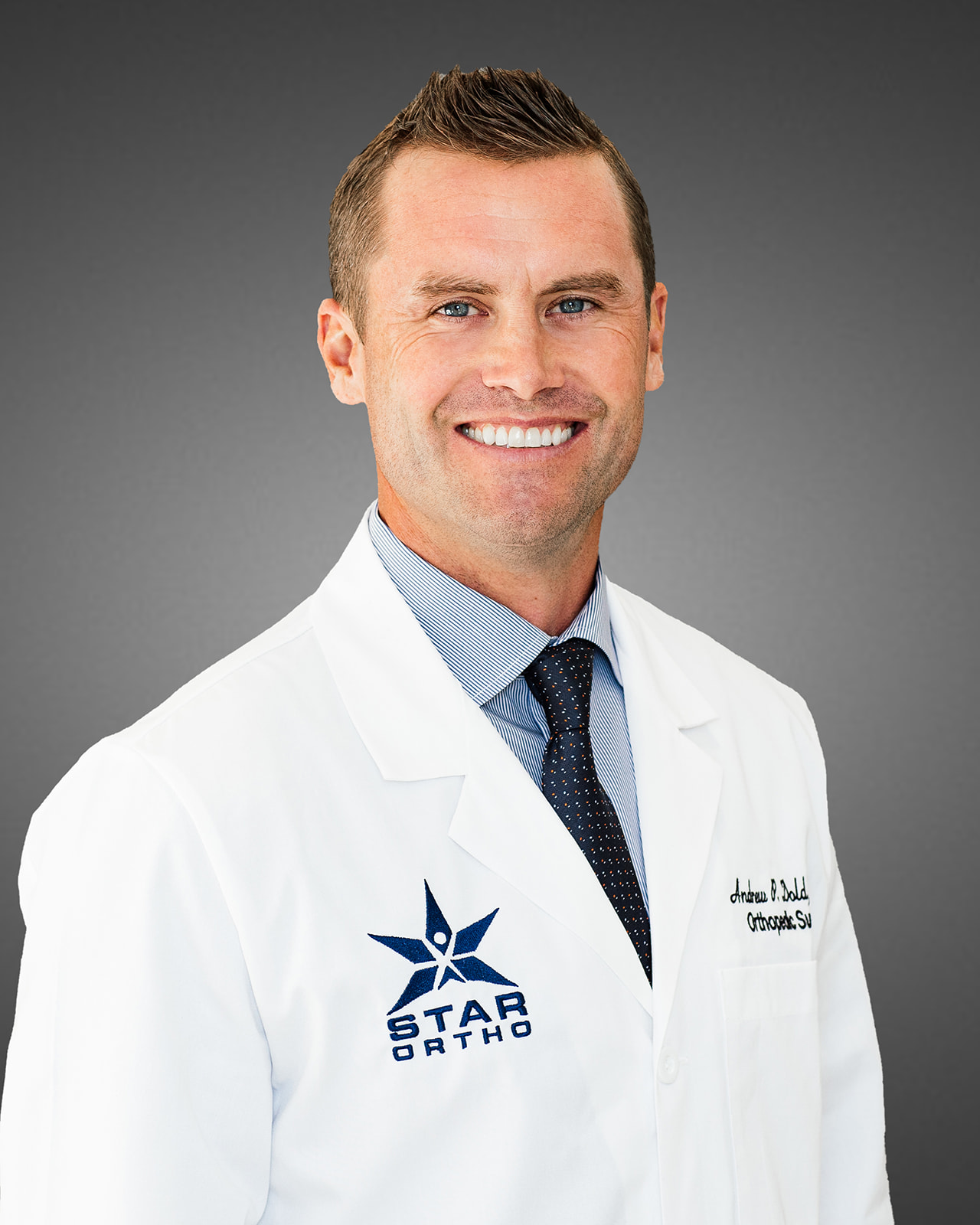
Dr. Andrew Dold, MD
- Double board-certified orthopedic surgeon (ABOS, FRCSC)
- Sports medicine and arthroscopy fellowship, NYU Langone
- Has treated professional athletes from the NFL, NBA, NHL and PGA Tour
- Medical Director, Gatorade Sports Science Institute at The Star
- D Magazine Best Doctors, 2019–2026
Request an Appointment with Dr. Dold
Or call 469-850-0680